
Fidelity to Natal Social Groups and Mating Within and Between Social Groups in an Endangered False Killer Whale Population
Most mammals exhibit natal dispersal of one or both sexes, a behavior that likely evolved in part to reduce the
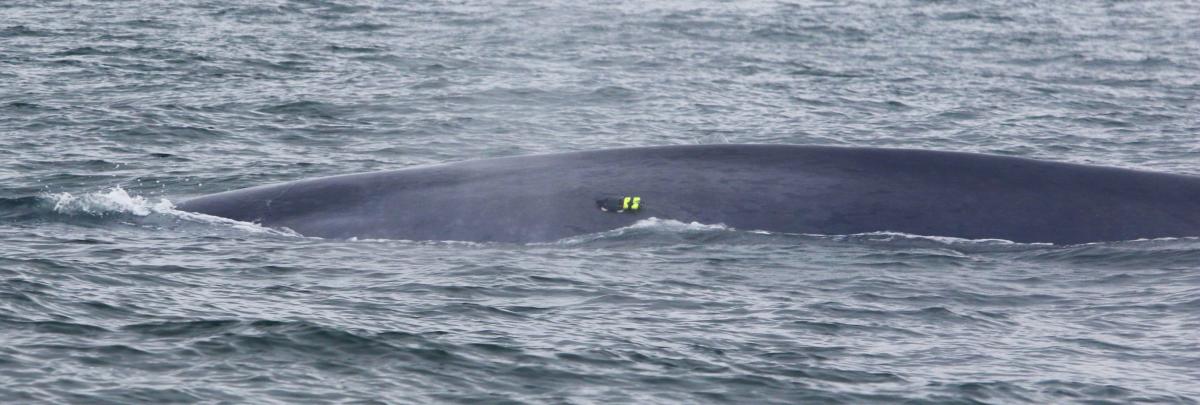
Extreme Bradycardia and Tachycardia in the World’s Largest Animal
The biology of the blue whale has long fascinated physiologists because of the animal’s extreme size. Despite high energetic demands
Updated Analysis of Abundance and Population Structure of Seasonal Gray Whales in the Pacific Northwest, 1996-2017
We update the results of a 22-year (1996-2017) collaborative study examining the abundance and the population structure of these animals
Assessing Odontocete Exposure and Response to Mid-Frequency Active Sonar During Submarine Command Courses at the Pacific Missile Range Facility: 2016 through 2018
A number of species of resident and non-resident odontocetes use the waters of the Kaulakahi Channel between Kaua‘i and Ni‘ihau,
Lunar Cycles Influence the Diving Behavior and Habitat Use of Short-Finned Pilot Whales Around the Main Hawaiian Islands
The availability of light, both solar and lunar, is likely to influence the behavior of vertically migrating aquatic animals and
The Advantages of Diving Deep: Fin Whales Quadruple Their Energy Intake When Targeting Deep Krill Patches
1. How predators maximize energetic gains while minimizing the costs associated with exploiting heterogeneous prey remains a difficult ecological principle
Assessing the Recovery of an Antarctic Predator from Historical Exploitation
The recovery of whale populations from centuries of exploitation will have important management and ecological implications due to greater exposure