Cascadia’s Research in the Inside Waters of Washington State
Overview
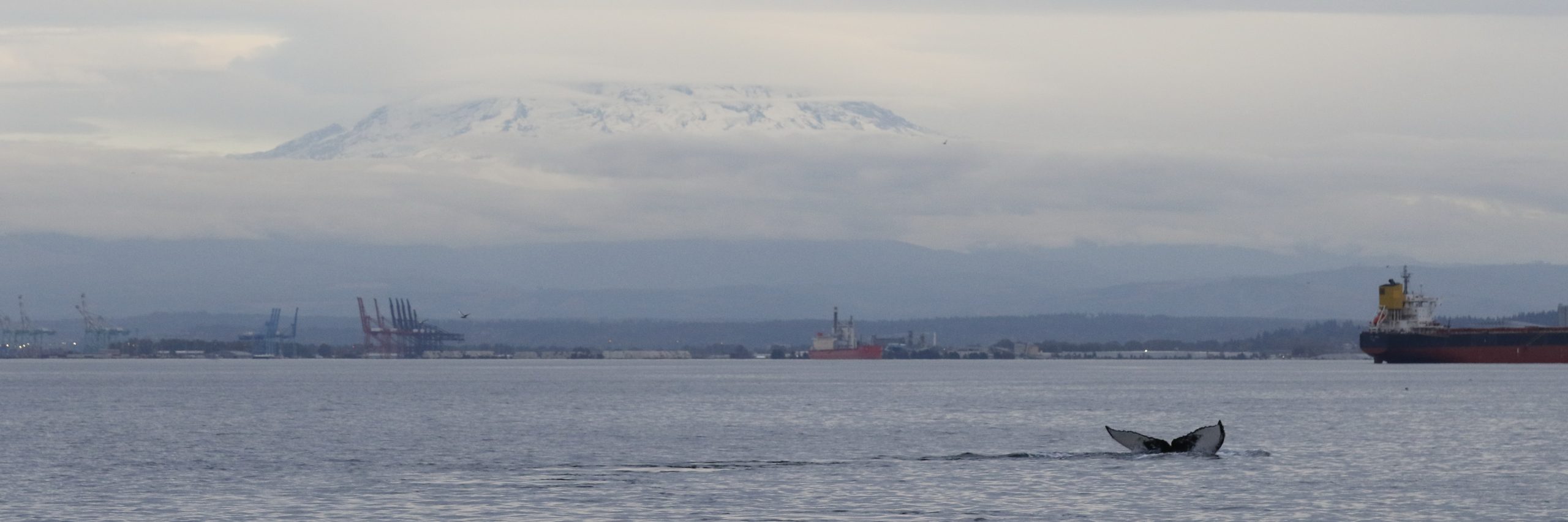
Cascadia Research Collective, based in Olympia, Washington, has been studying marine mammals in the inland waters of Washington State – including Puget Sound, the Strait of Juan de Fuca, and the San Juan Islands – for more than four decades. Through vessel surveys, photo-identification, tagging, strandings, and entanglement response, Cascadia works to understand the ecology, recovery, and conservation needs of whales and dolphins in the complex coastal habitats of the Salish Sea.
Focus Species & Key Projects
Humpback Whales
- Tracking the return of humpbacks to the Salish Sea after decades of absence.
- Maintaining a large photo-ID catalog to study population size, site fidelity, and movement patterns.
- Assessing welfare risks from vessel traffic and entanglement.
Gray Whales
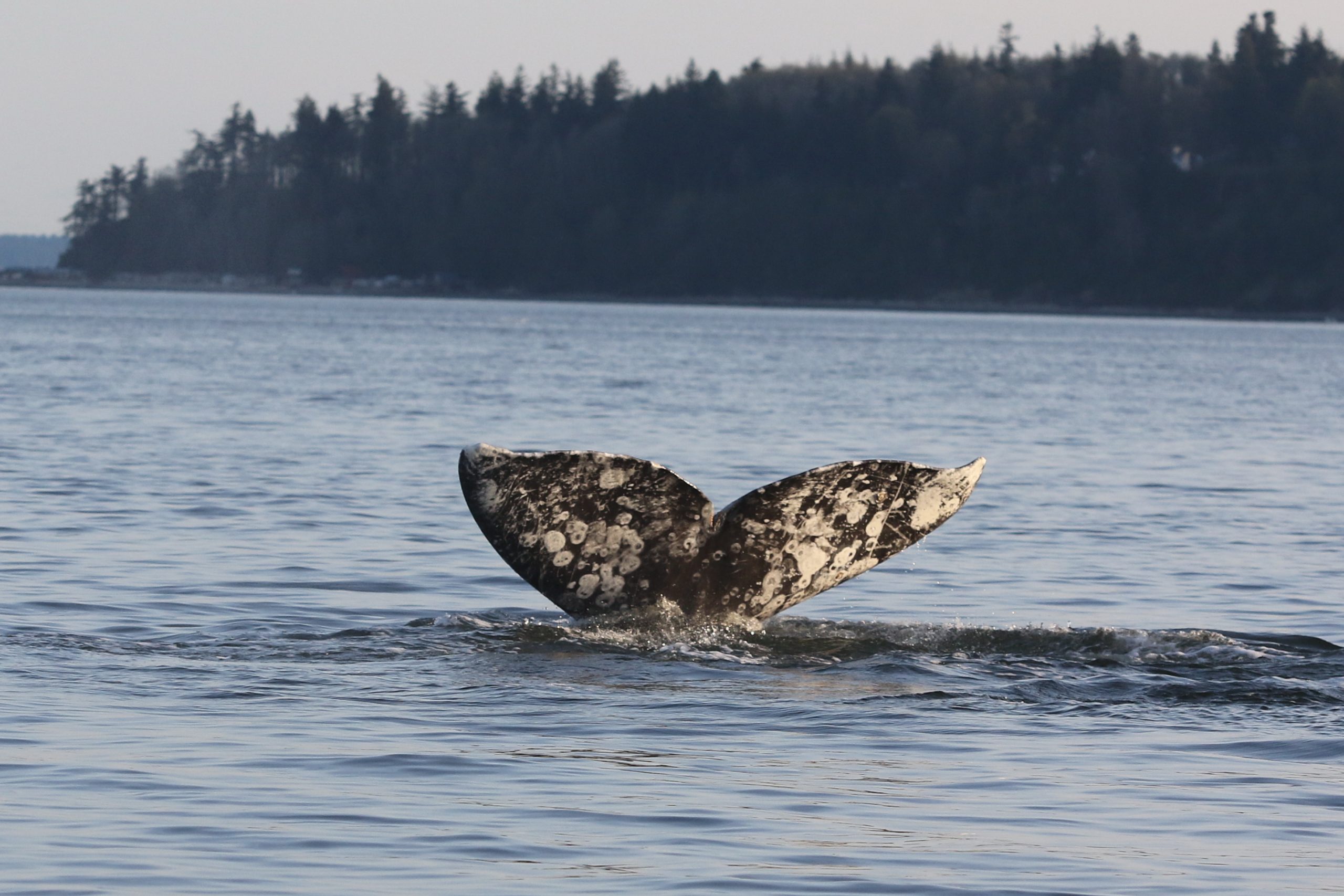
- Long-term monitoring of the “Sounders”, a group of gray whales that relies on Puget Sound as they feed during the spring.
- Using drone and suction-cup video tags to study feeding behavior and prey selection.
- Investigating individual health, body condition, and energetic strategies.
Harbor Porpoise & Other Small Cetaceans
Entanglement & Stranding Response
- Leading and supporting whale entanglement response efforts in coordination with NOAA Fisheries and regional partners.
- Conducting necropsies and collecting samples from stranded whales, dolphins, and seals to monitor health, assess causes of death, and contaminant loads.
Methods & Tools
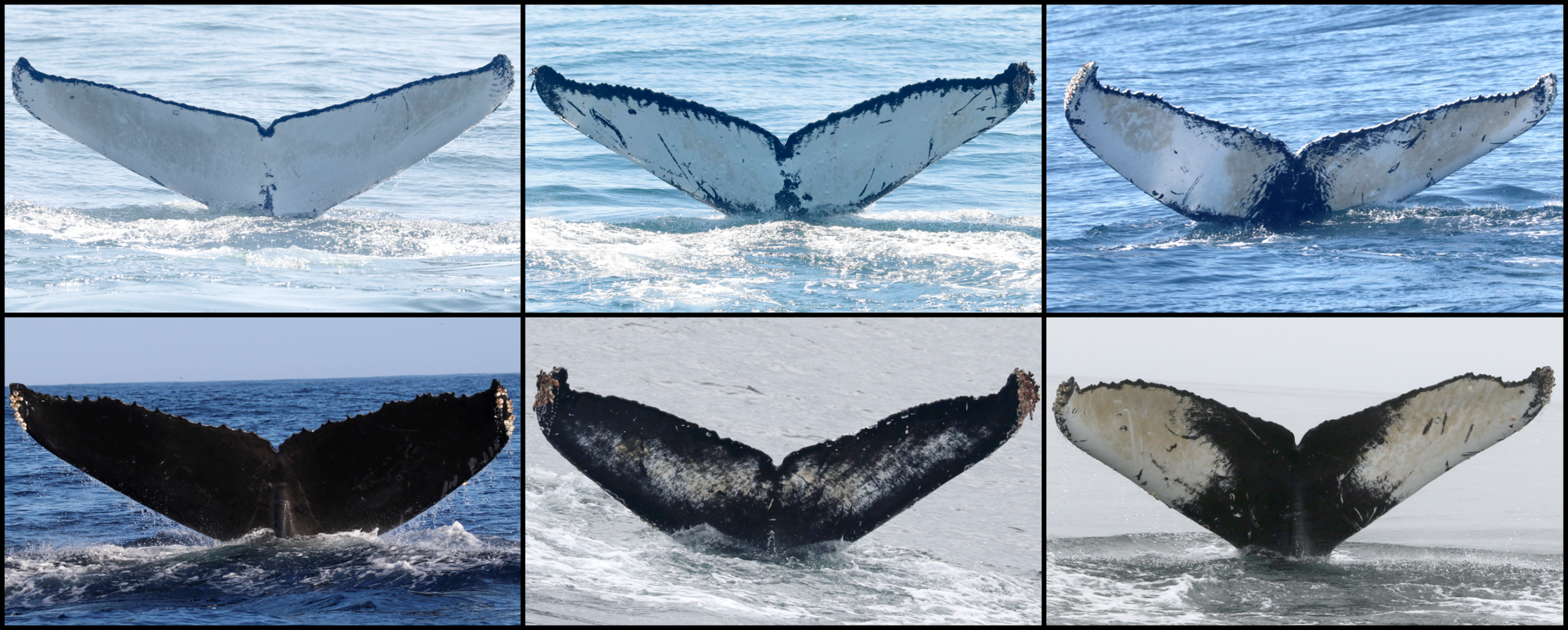
- Photo-Identification to recognize individuals for migratory movements, population trends, human-interactions rates, and survival estimates.
- Biologging & Video Tags to reveal underwater foraging behavior.
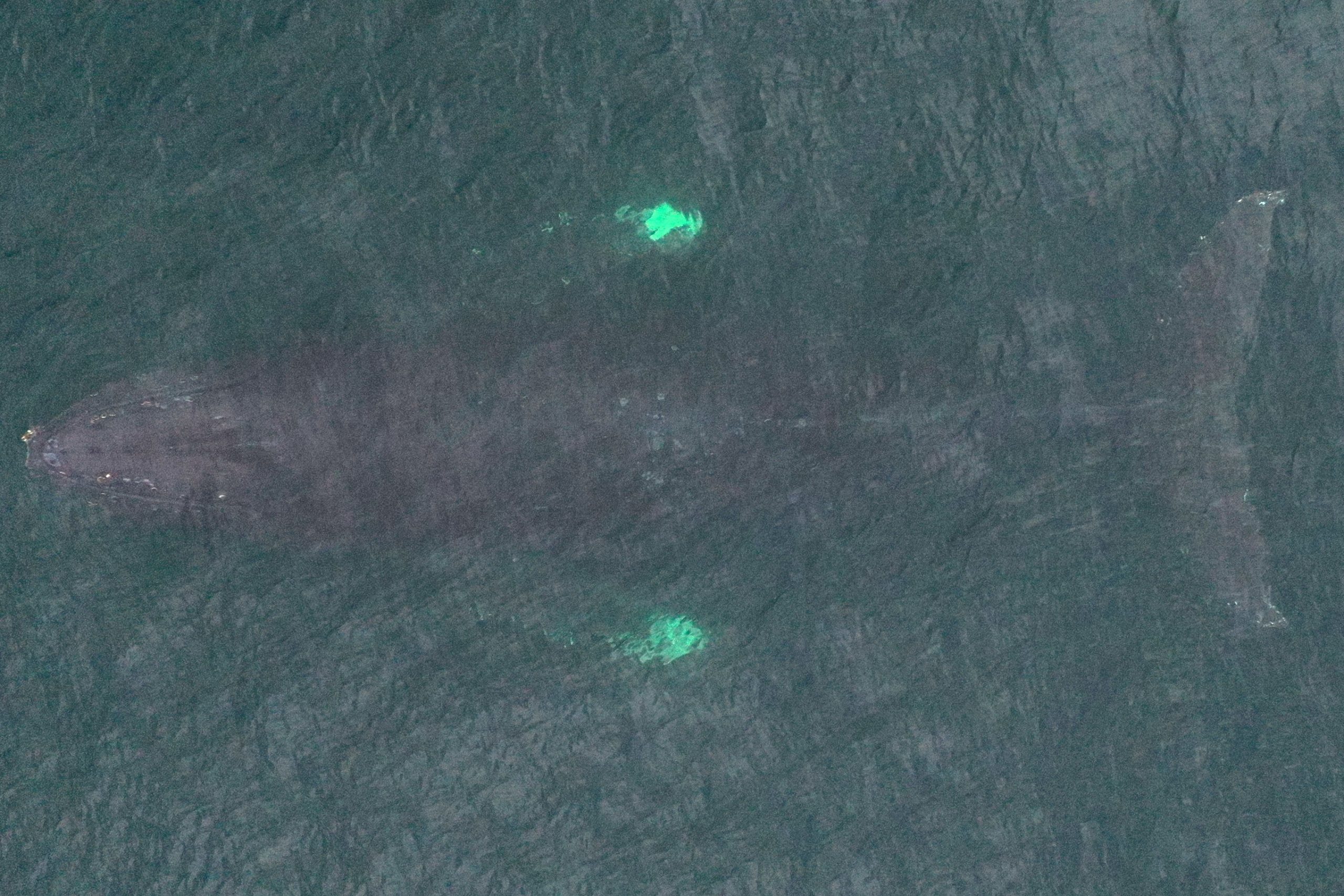
- Drone Images and Tag Deployments to capture full body documentation and deploy suction-cup tags with less disturbance to the animal.
- Vessel Surveys for population monitoring and distribution mapping.
- Stranding Response & Necropsy Work to study health and mortality causes.
- Entanglement Response to free whales while gathering data needed to reduce risk and improve animal welfare.

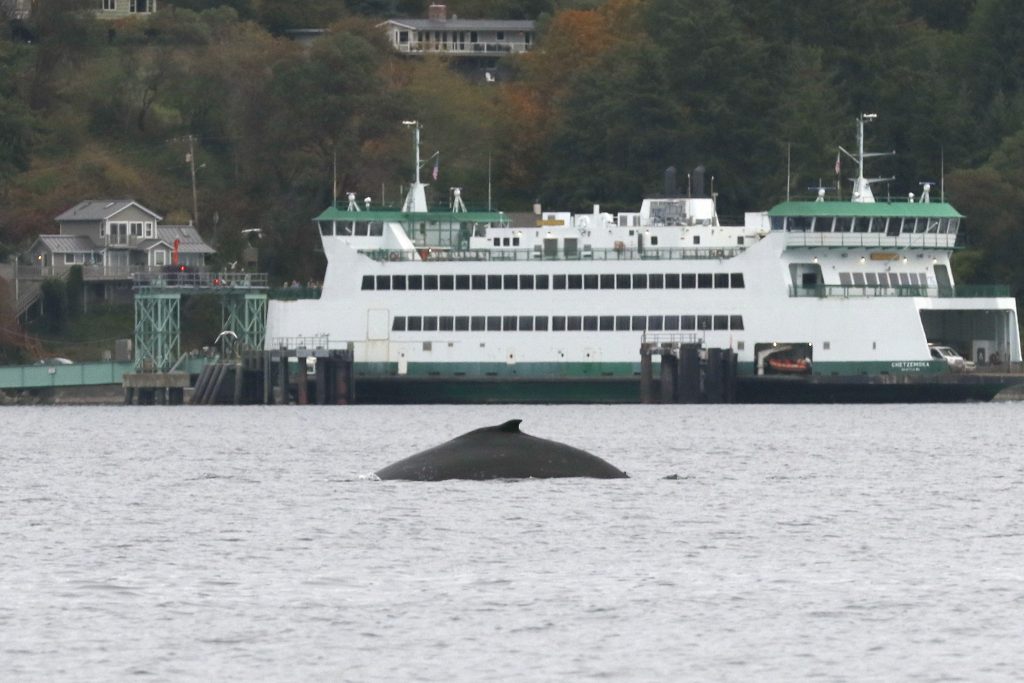
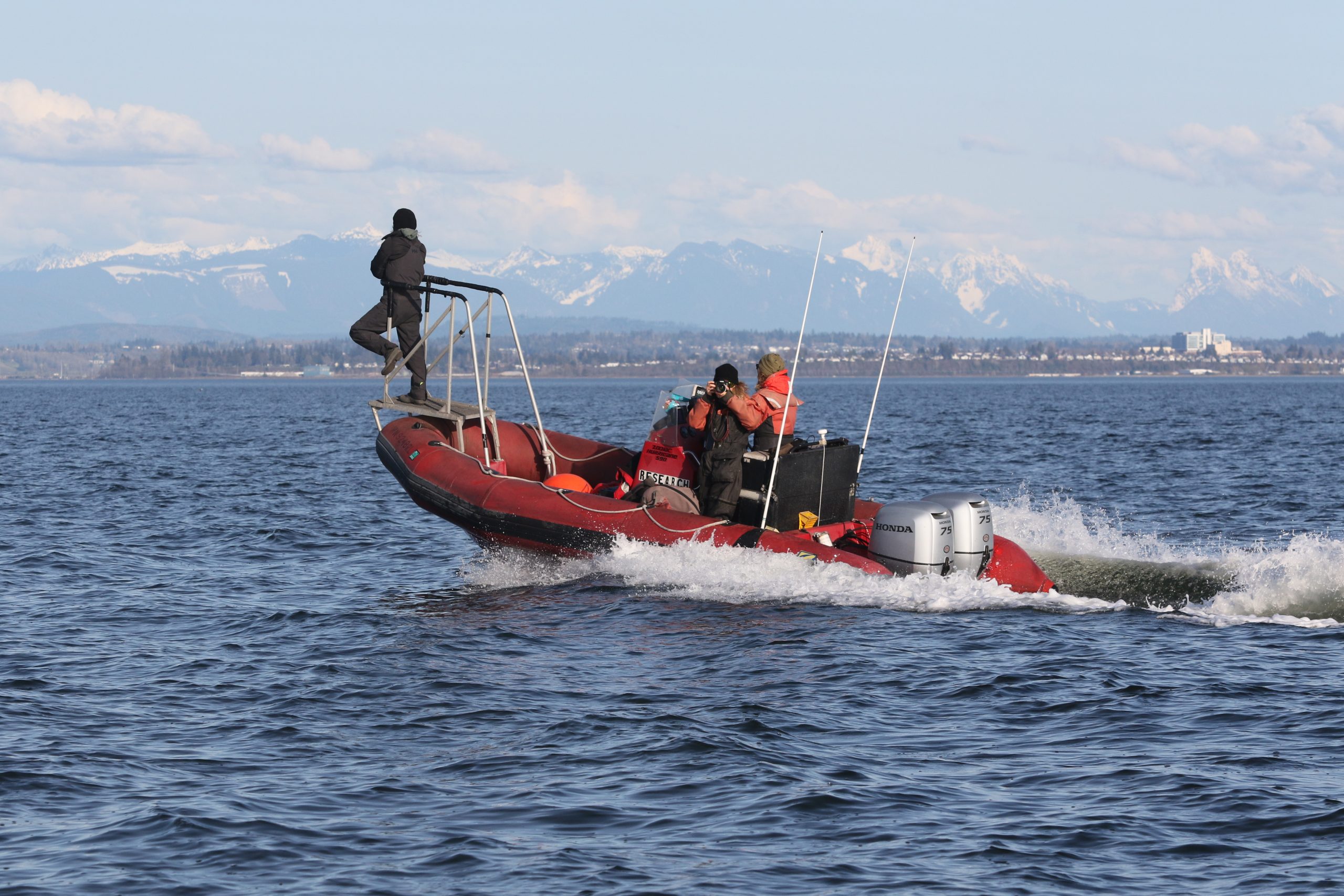
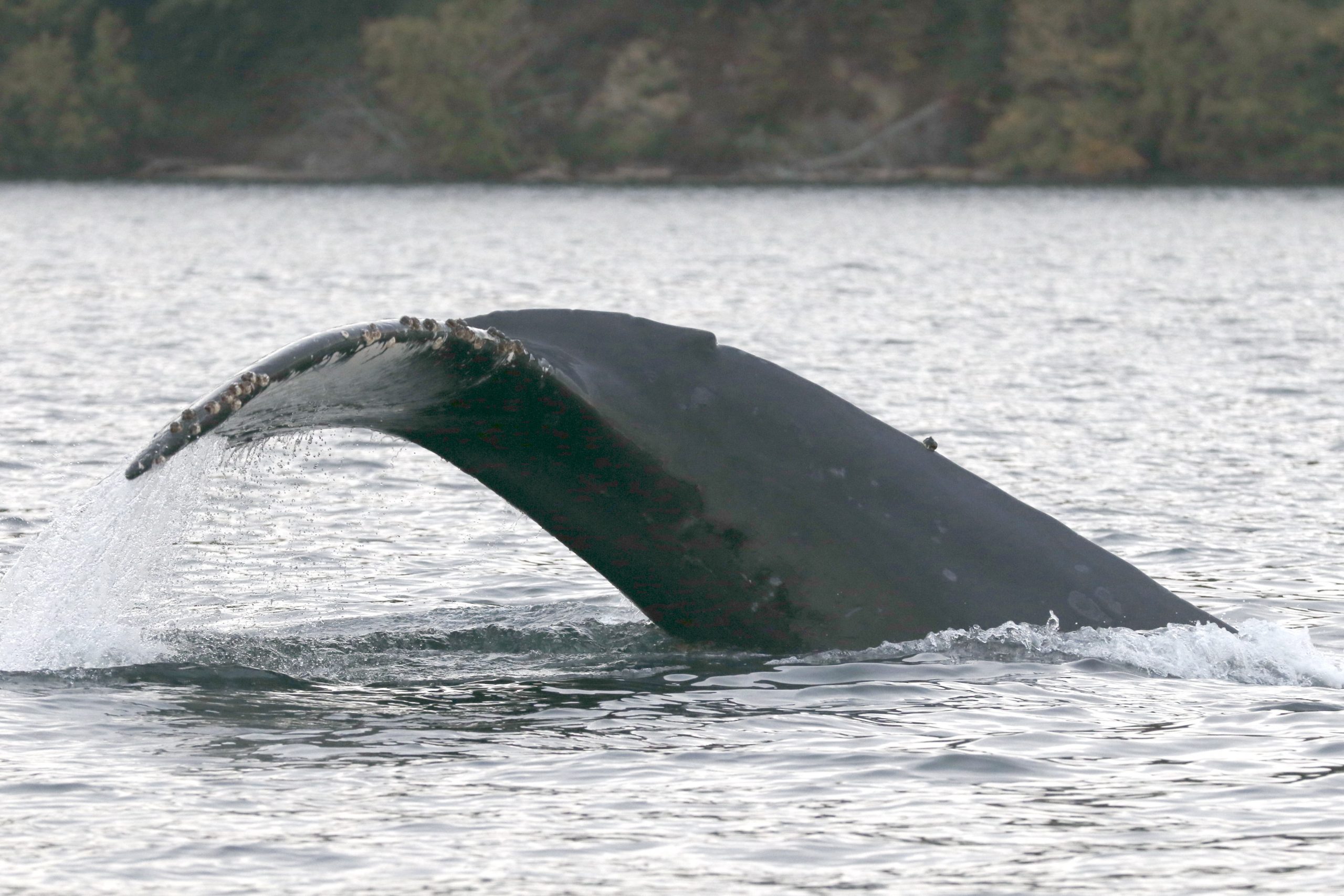
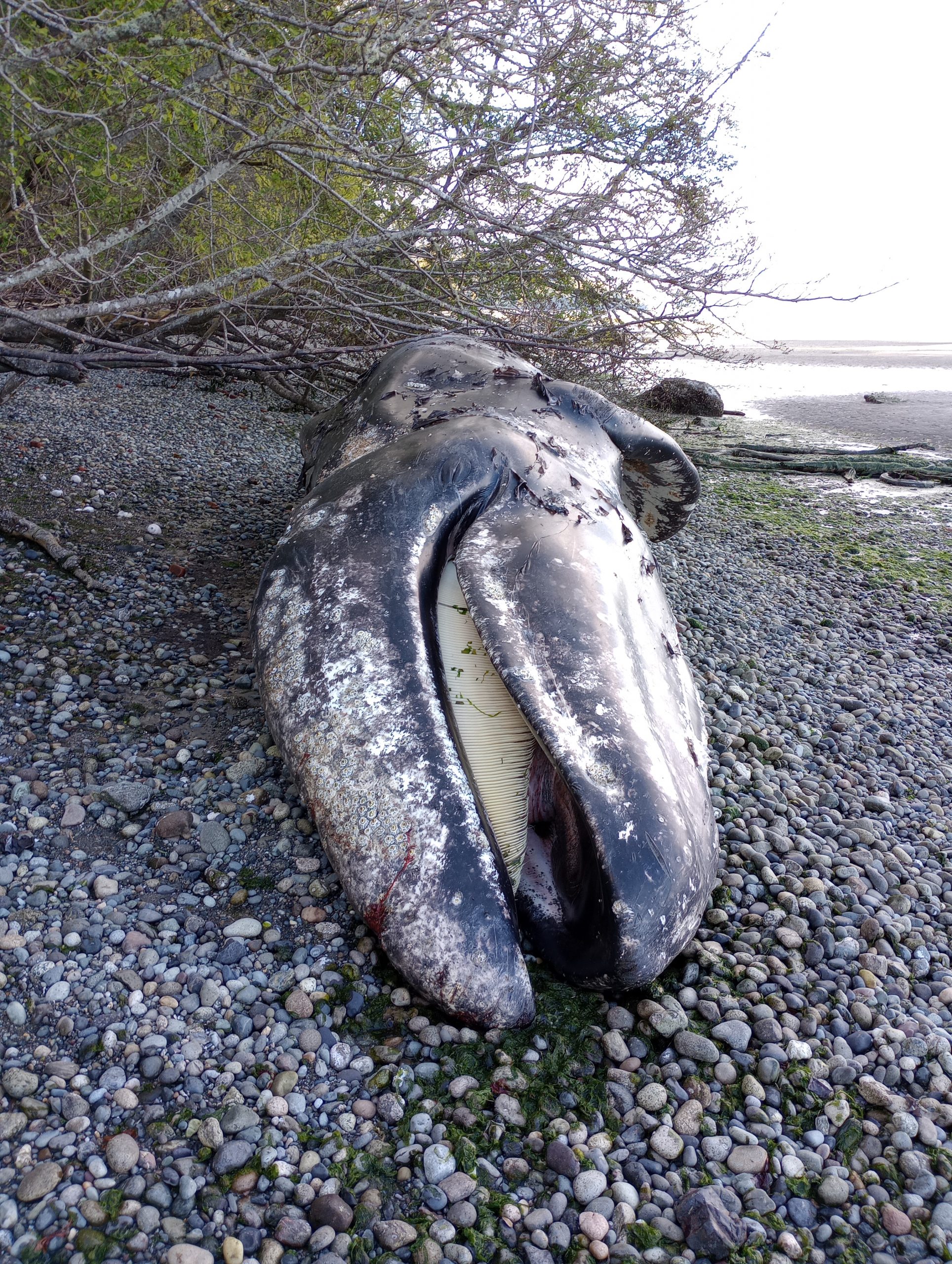
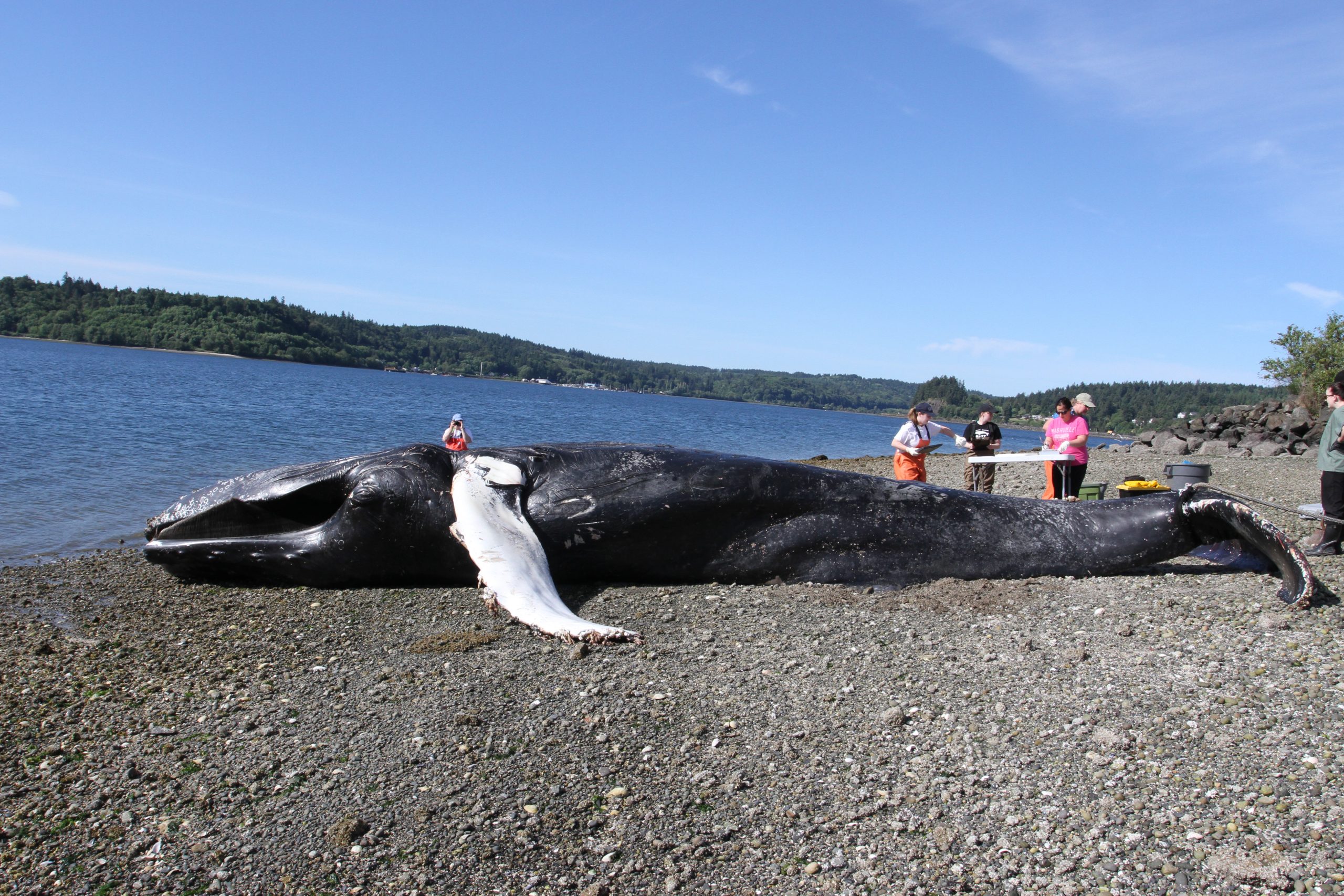
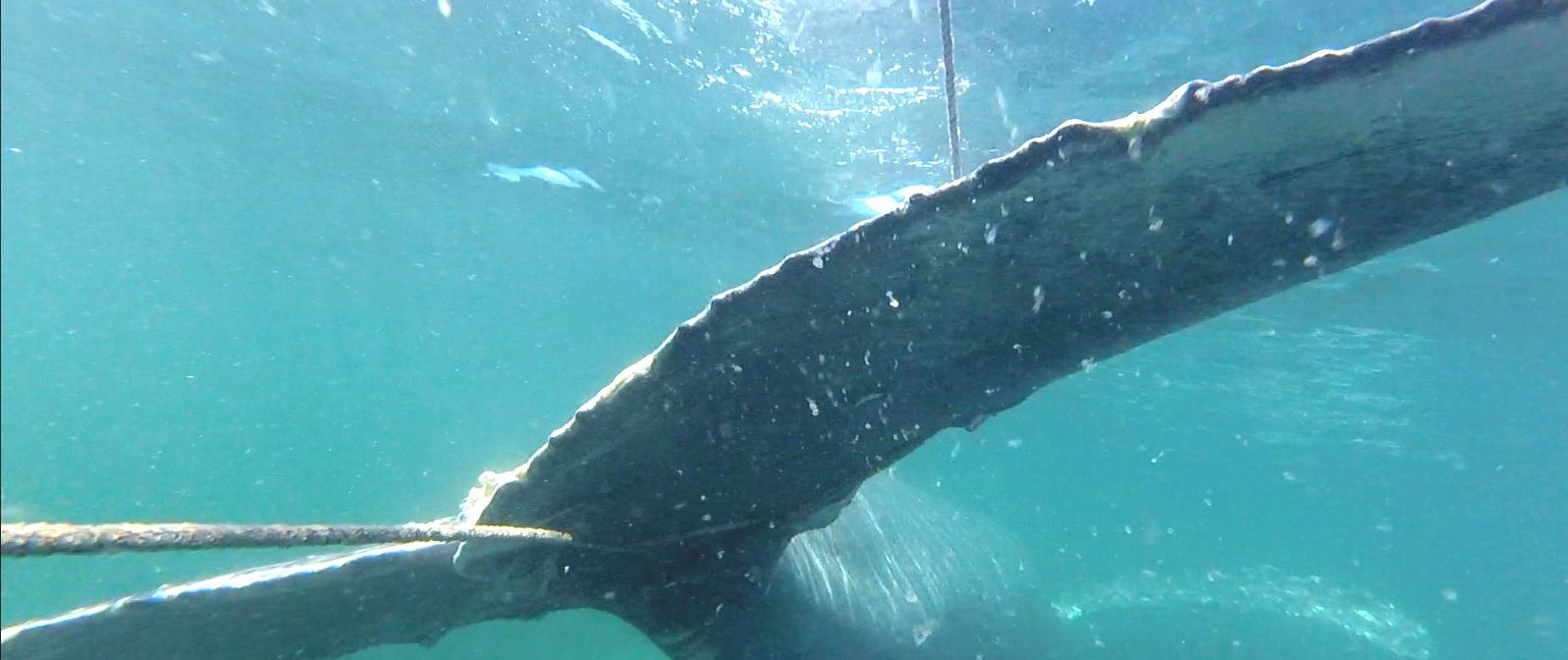
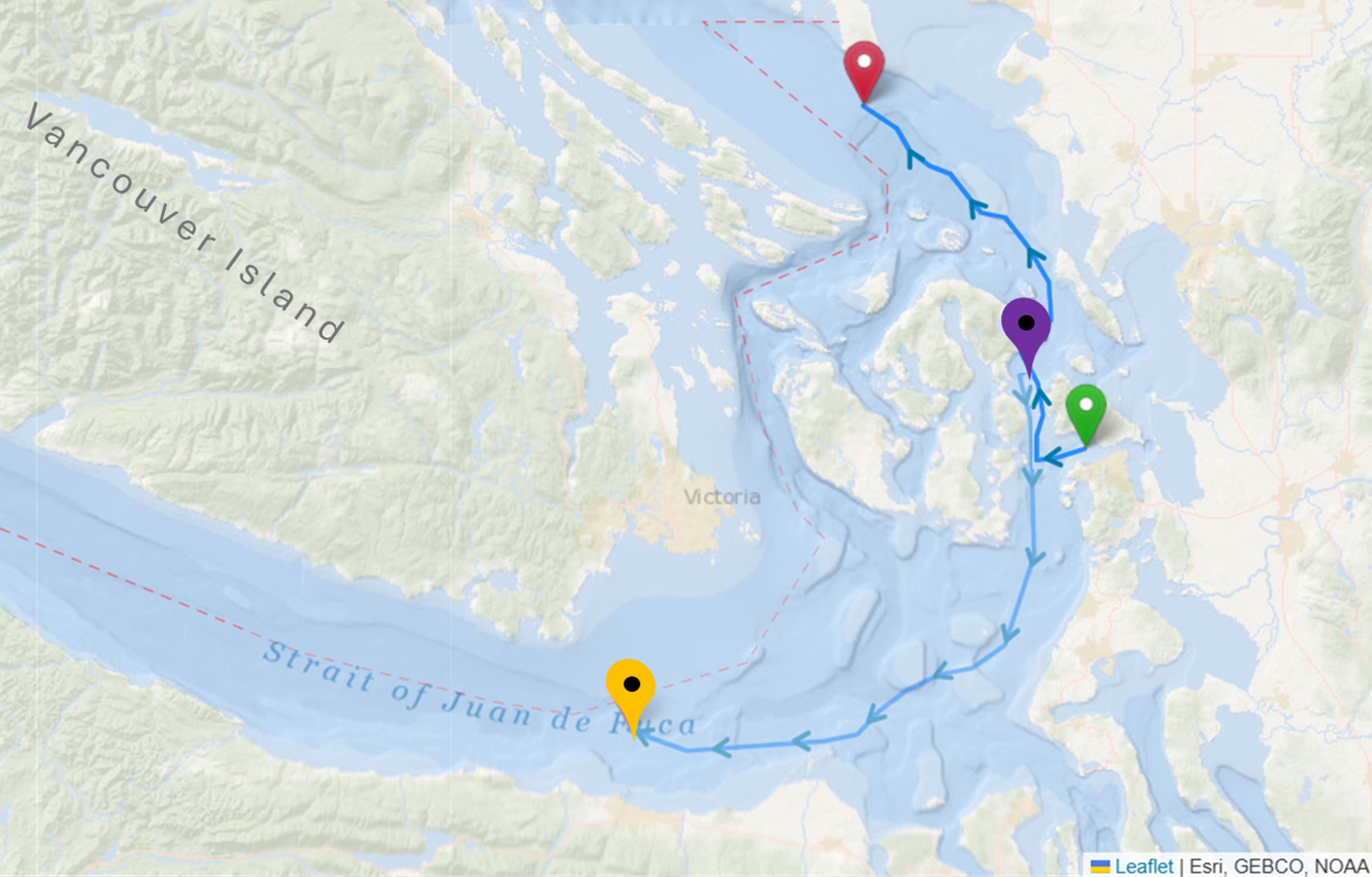
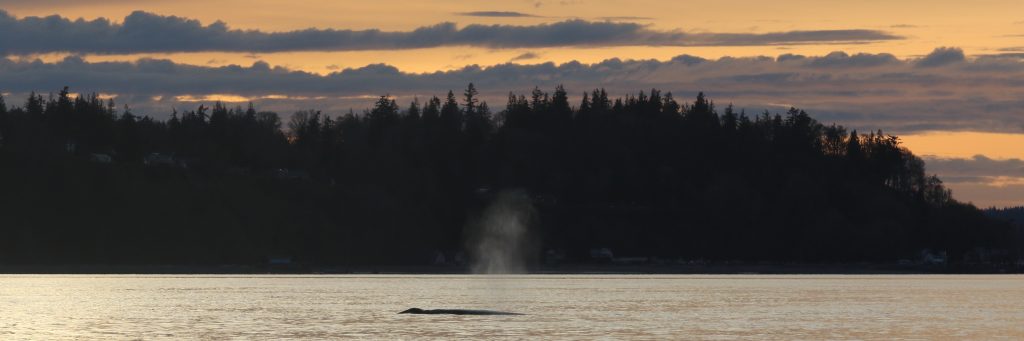
Photo-id images of humpback whale Gray whale in Puget Sound CRC staff during a vessel survey Drone image of a humpback whale confirming it was gear-free off Point Defiance Tailstock image of a humpback whale exhibiting scars from a previous entanglement Emaciated adult male gray whale on Vashon Island. Photo credit: Cascadia Research, NOAA/NMFS Permit 24359. Biologists from Cascadia Research and WDFW prepare to examine a dead humpback whale. NMFS Permit 18786 Image of Starry Knight’s first entanglement in 2025 Tracks of Starry Knight during both disentanglement events
Partnerships
Cascadia collaborates with NOAA Fisheries, the Washington Department of Fish & Wildlife, local non-profits, research institutes, universities, and local communities to share data, coordinate response, and inform conservation actions.
Why It Matters
The inside waters of Washington are becoming increasingly important habitat for large whales. Cascadia’s research helps identify how these animals use these waters, what threats they face, and how people can reduce risks—guiding science-based conservation to protect whales for generations to come.
What you can do to help!
- Report dead, injured, or stranded marine mammals
Call the West Coast Marine Mammal Stranding Hotline at 1-866-767-6114 for strandings throughout Washington State.
Call or text Cascadia’s stranding hotline at 360-791-9555 or email strandings@cascadiaresearch.org for large whale strandings in Washington State or strandings of any marine mammal in Thurston or Mason counties. We will want to know the date, time, location, description of the animal, and your name and contact information.
- Report and Standby Entangled Whales
Report entangled whales to 877-767-9425 or hail the US Coast Guard on Channel 16.
Click here to learn how to safety stand-by and report entangled whales throughout North America
- Support Cascadia
Help us keep whales safe in Washington’s Inside Waters and beyond!
Donate here or contact us to learn about more ways you can support our work.
With future federal funding uncertain, we are counting on you to be guardians for these ocean giants. Your donation helps ensure our trained responders can remain ready to act, that our research continues, and that progress toward an entanglement-free future doesn’t stall.
- Educate and Stay Informed
Share what you’ve learned! Encourage others to report entanglements, support response efforts, and get involved. Stay up to date on our research and response efforts by following us on social media!
Together we can create a safer ocean for whales – starting with the ones who need us most
Images taken under and research & response activities conducted under NOAA permit #’s 16111, 18786, 21678, 24359, and 28850.
All response activities are conducted by authorized responders under NOAA permit #24359, following international and national safety standards that prohibit entering the water and prioritize the safety of both whale and crew.